Over the years of working with writing students, I have read The Adventures of Huckleberry Finn several times. I did so because I was helping many AP high school students and a few college students write analytical essays on various aspects of the plot, characterization, controlling irony, theme, use of vernacular speech, and more. I have read a great deal of commentary on Huck Finn and Mark Twain, and I must say that Huck Finn remains one of my favorite books, despite some academics finding it grossly flawed. I believe that Twain does something critical for a book to move from mere story into true literature—he forces his main character to look deep inside himself and make a conscious decision to do the right thing despite negative consequences.
Huck has that defining moment when he must decide whether to send his letter to Miss Watson letting her know where her runaway slave, Jim, is. This forces Huck to make a choice: will he accept eternal damnation by going against the laws of society, where slavery is the status quo, or will he err on the side of his heart, since he knows that Jim is the only true friend he has ever had?
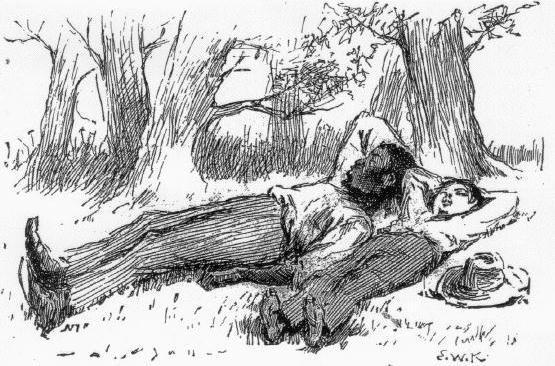
Lucky for us all, Huck goes with his heart and accepts eternal damnation. Jim is worth burning in hell for, and Huck is willing to do just that to save him. Jim is, after all, the kindest and most decent person Huck has come to know well in his life, and some scholars suggest that Jim is Huck’s only real father figure. Whatever role he plays, Huck loves Jim and does what he needs to do to protect him.
I’d like to think that I would have the courage to stand up for a friend the way Huck stands up for Jim. Huck honestly believes that his choice will condemn him to hell, but he cannot bear the idea that his friend—a man who has taken extra watches on the raft so Huck could sleep and who calls Huck “honey”—might be forced to give up his newfound freedom because of him. That is not a small decision, particularly in 1840, when the story takes place. No, not small at all. I would hope I could be so brave and clear-headed.
Good for Huck that he displays such bravery, and good for Mark Twain for giving us a hero in the form of a rule-breaking, uneducated, runaway boy who stands up against injustice. His example feels especially relevant at this time in history when questions of law, conscience, and human dignity press in on us. Ironically, Huck does not realize that when he decides to risk hell, he actually secures himself a place in heaven—and in the hearts of readers for generations to come.

 20 Minutes a Day